Why a Repeated Pastime Can Feel Different Each Time
Why a repeated pastime can feel different each time: learn how attention, setting and small variations refresh familiar activities without changing hobbies.

A familiar pastime changes character when you bring a different kind of attention to it. Why a repeated pastime can feel different each time is not a mystery of novelty: the activity may stay the same while your surroundings, mood and choices shift what you notice.
That distinction matters if you enjoy an activity but worry that repetition has made it stale. You do not need to replace a well-loved routine or turn it into a project. Often, a modest change in focus is enough to make the next session feel present rather than automatic.
Why can the same pastime feel new?
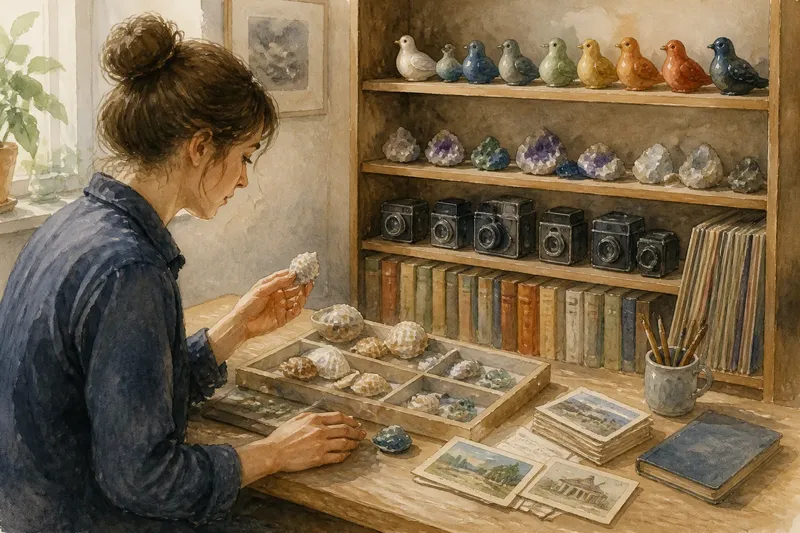
The activity is only one part of the experience. Reading a familiar kind of book, sketching at a window or walking a route also involves a place, a time, a pace and a mind occupied by whatever has happened that day.
Attention selects details. During one walk you might follow the route efficiently; on another, you may notice shop signs, birdsong or the texture of wet paving. The streets have not necessarily changed, but the part of them that matters to you has.
Memory also alters the comparison. You do not meet each session as a blank slate: a tune can recall an earlier afternoon, while a newly learned technique can make an old activity more legible. Familiarity supplies context, and context gives small differences somewhere to register.
Try naming one thing you noticed after an ordinary session. A detail that would have passed unseen can become a thread to pick up next time.
How does changing attention renew a routine?
Changing attention means choosing what to notice, not demanding that the pastime produce a result. A person who usually knits while listening to the radio might attend to the rhythm of the stitches for a little while; someone who cooks by habit might notice how the smell of herbs changes as they warm.
A useful focus is specific enough to guide perception and loose enough not to become a test. “Notice the light” is easier to carry into a drawing session than “make a better drawing”. The first invites observation; the second can turn leisure into an assessment.
You can also let attention move naturally. A bird call may draw you away from the path, or a line in a novel may lead you to think about something unrelated. The point is not to hold concentration rigidly, but to notice when your experience has shifted.
Choose a single detail to attend to, then leave room for whatever else appears.
What small variations make a familiar activity feel different?
Small variations alter the conditions of an activity without replacing its basic pleasure. They might involve the order of tasks, the materials within easy reach, the pace, or a companion’s presence. A change is most useful when it gives you something to respond to rather than adding a new obligation.
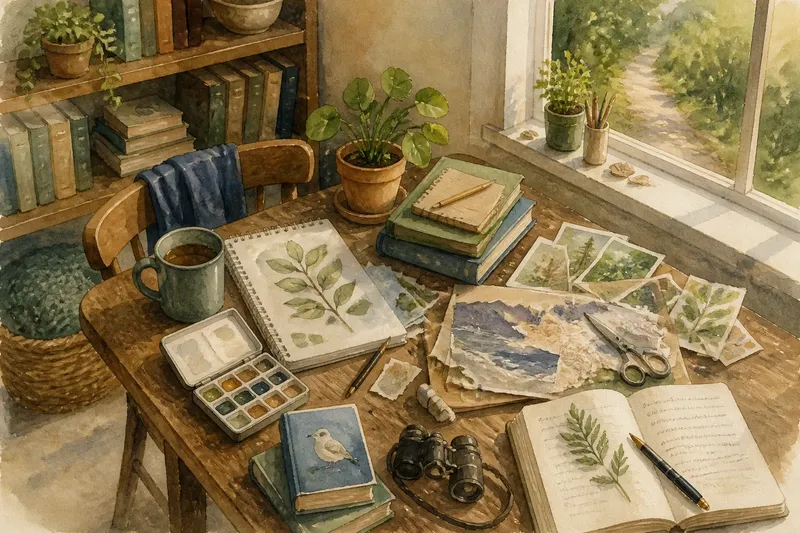
For example, a sketcher could use the same pencil and notebook but draw a household object from a different angle. A gardener tending the same pots might pay attention to leaf shapes instead of watering order. These shifts preserve the activity’s familiar centre while changing the questions it raises.
Say you usually make tea and read at the kitchen table after lunch. One afternoon, you take the same book and cup to a sheltered garden bench and read only until a nearby bell rings; the expected observable difference is that outdoor sounds and the stopping point shape your attention, though the reading itself remains familiar.
Keep variations modest enough that returning to the usual version still feels easy. If each session requires special supplies, elaborate preparation or a fresh goal, novelty may be creating work rather than renewing pleasure.
Does changing the setting matter?
Yes, a setting can affect what an activity feels like because it changes its sensory cues and practical rhythm. Natural light, a quieter room, a view through a window or the sound of other people nearby may draw attention to different parts of the same pastime.
The setting does not have to be dramatic. Moving a chair away from a television, opening a window when the weather permits, or taking a notebook to a library table can create a distinct atmosphere without requiring travel or special equipment. Even keeping the usual place but changing the time of day can alter the light and surrounding activity.
Notice which conditions help you settle. If a café makes writing feel companionable but distracts you from careful work, it may suit one kind of session better than another. There is no single best environment apart from the one that fits what you want from that particular hour.
Change one feature of the setting at a time, so you can tell which difference you enjoy.
How can you vary a pastime without turning it into a goal?
Keep the activity’s purpose personal and flexible. If you sing for pleasure, you need not record each session or learn a song on a deadline; if you walk to clear your head, you need not track distance or set a pace. A pastime can have direction without being judged by output.
One way to preserve that freedom is to choose an invitation rather than a target. “Use the blue watercolour today” offers a starting point, while “finish a polished picture” defines success in advance. The invitation can be accepted, adapted or ignored without making the session a failure.
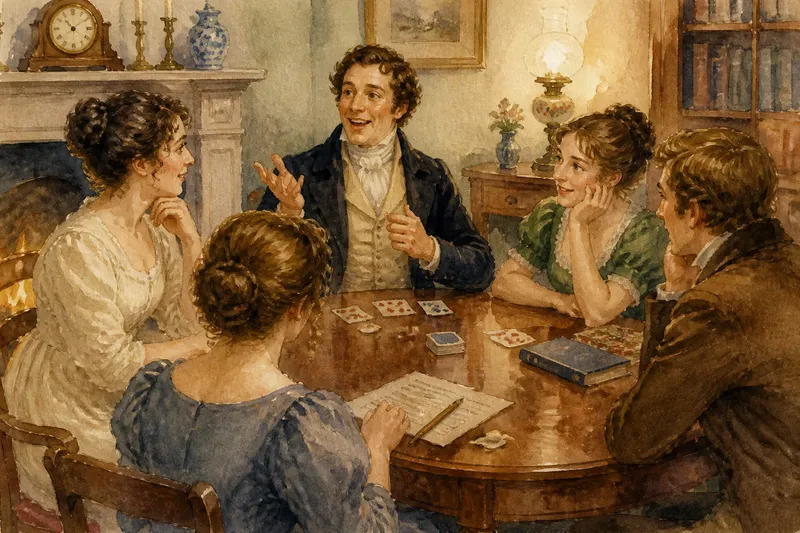
It also helps to leave some parts unchanged. Someone who always begins a jigsaw with the edge pieces may keep that reassuring opening while changing where the puzzle sits or who joins in. A familiar element can make a new variation feel welcoming rather than disorienting.
Keep one dependable part of the ritual and let the rest remain open.
What should you try when a pastime feels flat?
First, distinguish between boredom and ordinary tiredness. If you are worn out, a quieter or shorter session may suit you better than a more inventive one. If the activity itself feels predictable, a small change in focus, setting or pace may help you meet it differently.
Choose one adjustment, not a bundle of them. If you usually play the same instrument in the same room at the same time, you might try a familiar piece at a softer volume, or listen for one instrument’s part in a recording. Changing every condition at once makes it harder to tell what felt refreshing.
If the adjustment feels strained, return to the usual version or pause. A pastime does not owe you constant excitement, and a quiet session is not evidence that you have outgrown it. Sometimes a period away is more restorative than trying to manufacture a new feeling.
Let the next session answer a small question, such as whether a different place makes the activity easier to settle into.
How can you tell whether a variation suits you?
Notice the quality of your attention while you are doing the activity, not just whether the result looks impressive. You may find yourself more curious, more settled or more willing to continue; alternatively, you may spend the session thinking about the rules you imposed.
Afterward, ask a plain question: would I choose this version again? The answer need not be a firm yes or no. You might prefer the new setting for a quiet day, while keeping the familiar arrangement for evenings when you want less stimulation.
There is no need to keep a formal record, though a brief note can help if you regularly forget what you enjoyed. “Read outside when it is sheltered” is more useful than a broad verdict such as “try to make reading exciting”. It captures a condition you can choose again without turning pleasure into a score.
Can a repeated pastime stay satisfying without constant change?
Yes. Repetition can itself be comforting: a familiar sequence gives the mind fewer decisions to make, and a well-known activity can provide a steady point in a changing day. Renewal is an option, not a requirement.
The balance may depend on what you need. When you want ease, repeat the version that feels dependable; when you feel curious, make one small variation. A routine can hold both the pleasure of recognition and the possibility of noticing something new.
Does a pastime have to improve each time?
No. Skill may develop through repetition, but improvement is not the only reason to return. You might enjoy the feel of a fountain pen on paper, the familiar route through a park or the company of someone who shares the activity.
If progress matters to you, give it a place without letting it define every session. A musician might practise a difficult passage on one day and play favourite pieces on another. Both are worthwhile uses of the same pastime.
What if a small change makes the activity less enjoyable?
Undo it and return to what works. A new location can be distracting, a different tool can feel awkward, and a companion can change a peaceful activity into a social one. That response is useful information about your preferences, not a reason to force the variation.
You can also keep the part you liked and discard the rest. If a walk to a new destination felt tiring but the unfamiliar street offered an interesting view, you might choose a shorter detour another time.
How do you keep the familiar pleasure in a repeated pastime?
Keep a recognisable anchor: a favourite mug, the same opening song, a well-used notebook or a simple starting ritual. An anchor makes it easier to return, while an occasional change in attention or surroundings gives the session room to differ.
Why a repeated pastime can feel different each time comes down to the meeting of habit and attention. Let the familiar part make it easy to begin, then notice what this particular session offers; the smallest change may be enough, and sometimes no change is needed at all.